Ever scroll through your digital music library and see those generic gray music note icons? It’s a bummer. The core problem is that downloaded or ripped music often lacks its essential visual component, the album cover.
This article is here to help. I’ll give you a complete guide on how to perform an musicdownloaded portada del álbum, whether you need the music itself or just the art. You’ll learn the best, safest, and highest-quality methods to ensure every track in your collection has its proper artwork.
Having the cover art really enhances the listening experience, making your collection feel more personal and valuable.
The Lost Art: Why Album Covers Still Matter in the Streaming Age
Album covers have always been more than just pretty pictures. They’re a crucial part of the artist’s message and the album’s identity. Think about it—when you see an iconic cover, you instantly connect with the music.
First impressions matter. A lot. Album covers create that initial vibe and set the tone for what you’re about to hear.
It’s like a visual appetizer before the main course.
In the digital age, the cover is often the only visual link to an entire era, tour, or artistic period for a musician. It’s a window into their world.
High-quality cover art makes a digital library easier to navigate. You can spot your favorite albums at a glance. It’s way quicker than reading through a bunch of text.
Collecting music with its proper art is a way of showing respect for the artist’s complete creative vision. It’s not just about the audio files; it’s about the whole experience.
Sure, some might argue that in the streaming age, album covers are less important. But I think they miss the point. (And let’s be real, who wants to scroll through a list of boring text?)
The musicdownloaded portada del álbum is more than just a picture. It’s a piece of the artist’s story. And in a world where everything moves so fast, taking a moment to appreciate that can make all the difference.
The All-in-One Method: Where to Download Music with Album Art Included
Let’s get real. If you want to build a high-quality digital music collection, you need to do it right from the start. Metadata is key.
It’s just the data file that contains all the info about your tracks—like the track title, artist, album, and, of course, the cover art image.
I recommend purchasing and downloading from official digital music stores. These platforms automatically embed metadata, so you don’t have to mess around with adding it yourself.
Bandcamp is a great choice. It supports artists directly and often offers lossless quality. Plus, you know you’re getting the real deal, not some bootleg version.
Qobuz and HDtracks are also top-tier. They focus on high-resolution audio, which is a must for audiophiles. The musicdownloaded portada del álbum is always crisp and clear, not some blurry mess.
The iTunes Store is another solid option. It’s user-friendly and has a vast library. The metadata is usually spot-on, making it easy to keep your collection organized.
Now, let’s talk about the other side. Illegal download sites? Forget it.
They strip metadata or include low-resolution, pixelated artwork. It’s a waste of time and can even get you in trouble.
Building a new, high-quality digital music collection from scratch? This is the best method. Every file is complete from the start, and you get the peace of mind knowing you’re supporting the artists you love.
The Surgical Strike: Finding High-Resolution Album Covers for Your Existing Music
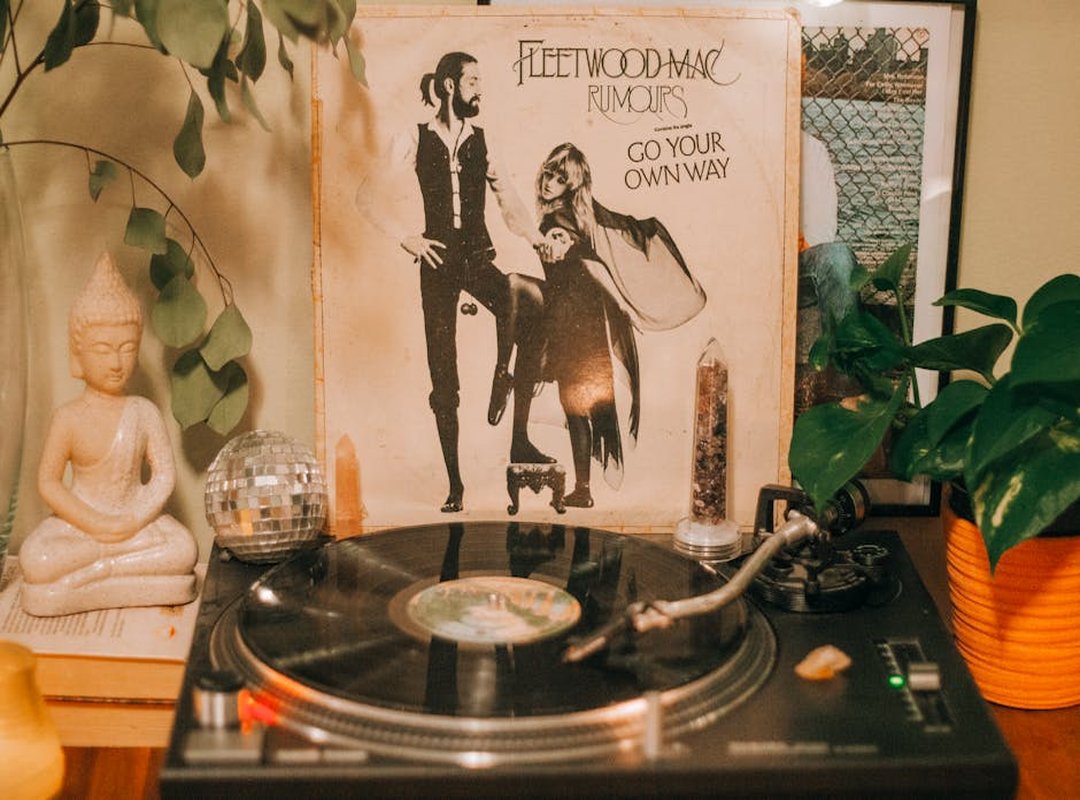
You’ve got the music, but the album art is missing. I get it. It’s frustrating.
First, check out Album Art Exchange. They offer ultra-high quality covers. Discogs is another great resource with a massive user-submitted database.
When using Google Images, use search filters for large image sizes (e.g., >2MP). Add terms like ‘official cover’ or ‘scan’ to your search. This can make a big difference.
Avoid grabbing the first small thumbnail. A low-quality cover can look worse than no cover at all on modern high-resolution screens.
Fan-run wikis and official artist websites are also worth checking. They often have official, high-quality press kit images, including the cover art.
Pro tip: Use musicdownloaded portada del álbum in your search if you’re looking for specific international releases.
If you need more tips, read more about how to enhance your digital collection.
Putting It All Together: A Quick Guide to Adding Covers to Your Music Files
Alright, let’s get down to business. You’ve got your music and a shiny new image you want to use as the album cover. Time to make it happen.
First things first, open up iTunes or VLC Media Player. These are like the Swiss Army knives of media players (but don’t tell anyone I said that).
Find the song or album in your library. Right-click on it. You’ll see an option like ‘Get Info’ or ‘Properties.’ Click that.
Now, navigate to the ‘Artwork’ or ‘Cover’ tab. This is where the magic happens.
Click ‘Add Artwork’ and select the high-resolution image file you downloaded. Make sure it’s the right one—no one wants a mix-up here.
Once you’ve added the image, hit ‘OK’ or ‘Save.’ Boom! The album art is now part of the file.
Check it out. The cover should show up on any device you play the music on. Pretty cool, right?
And there you have it. Your musicdownloaded portada del álbum is now embedded and ready to impress. Enjoy your tunes with some visual flair!
Building a Digital Record Collection You Can Be Proud Of
A visually complete music library is more engaging, easier to browse, and more satisfying to own. The two core solutions for achieving this are downloading music with art already embedded and finding and adding high-quality covers to existing files. Taking a few extra minutes to secure the proper album art preserves the artist’s full creative intent.
musicdownloaded portada del álbum
Pick one album in your library that’s missing a cover and use the guide to fix it right now. This process is not a chore but the modern equivalent of carefully curating a physical record or CD collection.
 Johner Hazardics writes the kind of blockchain technology insights content that people actually send to each other. Not because it's flashy or controversial, but because it's the sort of thing where you read it and immediately think of three people who need to see it. Johner has a talent for identifying the questions that a lot of people have but haven't quite figured out how to articulate yet — and then answering them properly.
They covers a lot of ground: Blockchain Technology Insights, Decentralized Finance Trends, Crypto News and Developments, and plenty of adjacent territory that doesn't always get treated with the same seriousness. The consistency across all of it is a certain kind of respect for the reader. Johner doesn't assume people are stupid, and they doesn't assume they know everything either. They writes for someone who is genuinely trying to figure something out — because that's usually who's actually reading. That assumption shapes everything from how they structures an explanation to how much background they includes before getting to the point.
Beyond the practical stuff, there's something in Johner's writing that reflects a real investment in the subject — not performed enthusiasm, but the kind of sustained interest that produces insight over time. They has been paying attention to blockchain technology insights long enough that they notices things a more casual observer would miss. That depth shows up in the work in ways that are hard to fake.
Johner Hazardics writes the kind of blockchain technology insights content that people actually send to each other. Not because it's flashy or controversial, but because it's the sort of thing where you read it and immediately think of three people who need to see it. Johner has a talent for identifying the questions that a lot of people have but haven't quite figured out how to articulate yet — and then answering them properly.
They covers a lot of ground: Blockchain Technology Insights, Decentralized Finance Trends, Crypto News and Developments, and plenty of adjacent territory that doesn't always get treated with the same seriousness. The consistency across all of it is a certain kind of respect for the reader. Johner doesn't assume people are stupid, and they doesn't assume they know everything either. They writes for someone who is genuinely trying to figure something out — because that's usually who's actually reading. That assumption shapes everything from how they structures an explanation to how much background they includes before getting to the point.
Beyond the practical stuff, there's something in Johner's writing that reflects a real investment in the subject — not performed enthusiasm, but the kind of sustained interest that produces insight over time. They has been paying attention to blockchain technology insights long enough that they notices things a more casual observer would miss. That depth shows up in the work in ways that are hard to fake.