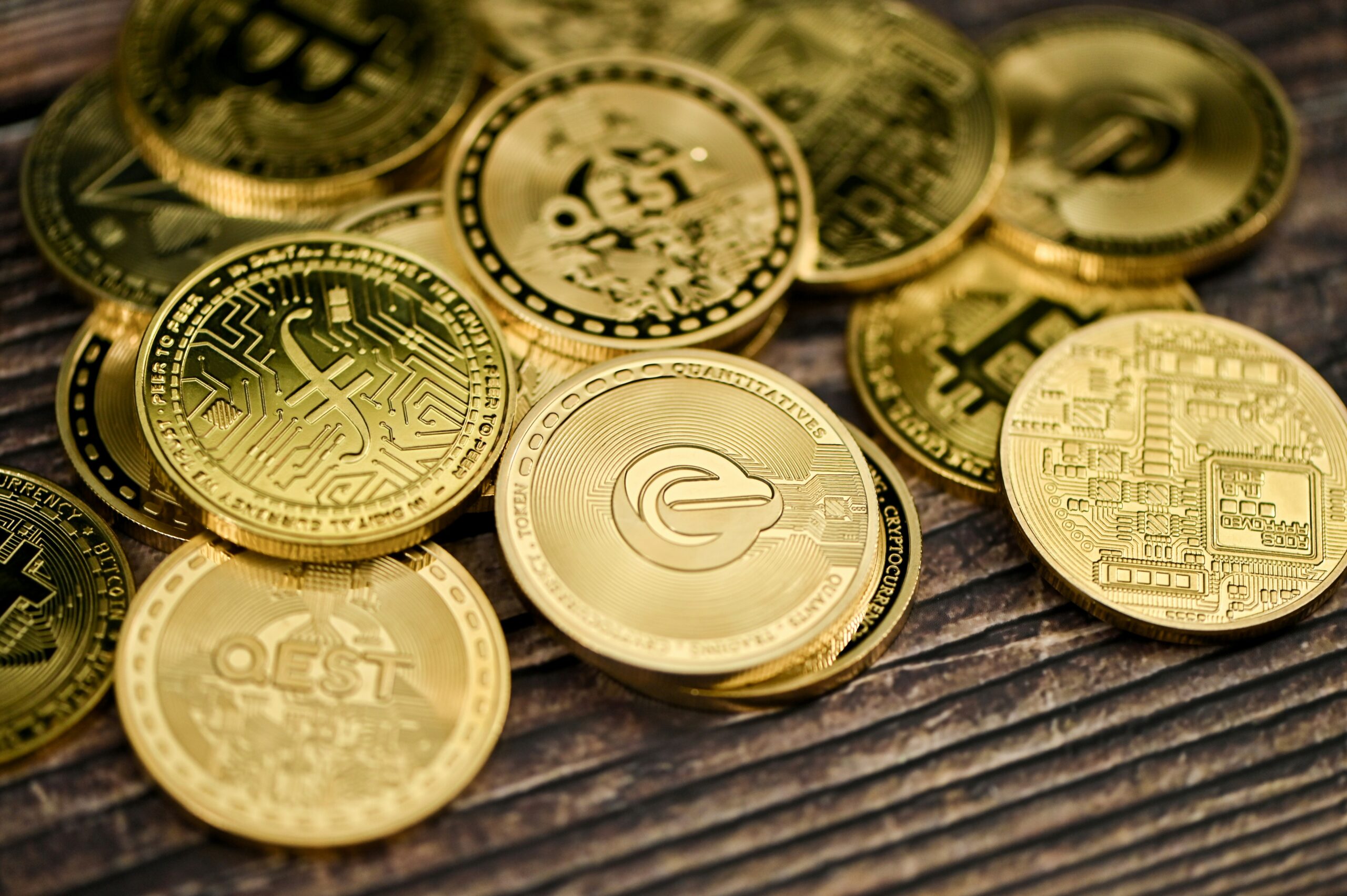

Understand the Risk Landscape
Crypto isn’t a fire and forget system. You don’t just buy Bitcoin or Ethereum, toss it into a wallet, and walk away. The digital landscape is too hostile, too fast moving for that. Threats evolve constantly and they’re not just tech driven. Most hacks succeed because of human slip ups.
Phishing attacks lead the pack. Fake emails, lookalike sites, shady DMs on Telegram these scams hinge on tricking you into giving something away, usually your private keys or login credentials. Then there’s SIM swapping, where a hacker hijacks your mobile number to bypass two factor authentication. And, of course, centralized exchanges keep getting hit. Whether it’s sloppy security on their end or internal breaches, leaving large sums on a platform is playing with fire.
But the real weak point? You. Weak passwords. Clicking the wrong link. Storing seed phrases in your email drafts. Most losses don’t come from cutting edge exploits they come from moments of carelessness. Crypto remains unforgiving. One mistake can mean irreversible loss.
Managing your crypto is less about being paranoid and more about staying disciplined. Treat it like your bank account, mixed with your diary, mixed with your house keys. Casual handling invites serious consequences.
Know Your Wallet Options
Let’s keep it simple. There are two main types of crypto wallets: custodial and non custodial.
With a custodial wallet, a third party usually an exchange holds your crypto and manages your private keys. It’s easy to set up, and convenient if you’re trading often. But here’s the catch: if they get hacked or restrict access, your coins are locked up. Or gone. Your keys, your coins. Their keys? Not your coins.
Non custodial wallets put you fully in charge. You control the keys. You control access. If you’re serious about true ownership, this is the only real option. But it also means full responsibility. Lose your recovery phrase, and nobody’s coming to bail you out.
Next, consider hot vs. cold storage:
Hot wallets are connected to the internet whether it’s your phone, desktop, or an app browser extension. They’re fast, lightweight, and great for daily use or quick trades. But they’re also more exposed to hacks, malware, and phishing attacks. Convenience costs.
Cold wallets, on the other hand, live offline. Hardware wallets like Ledger or Trezor, or even air gapped computers. They’re slower, but way more secure ideal for long term storage or large holdings. Think of them as safes, not wallets.
Bottom line: if you want speed and ease, a hot wallet works but don’t keep your life savings there. For real peace of mind, get your crypto off the grid. Cold storage is the gold standard.
For a closer comparison, check out this cold vs hot wallets guide.
Best Practices for Everyday Security

If you’re serious about crypto, sloppy security isn’t an option. Hackers aren’t breaking encryption they’re tricking people. Here’s how you stay ahead.
First, write your seed phrase on paper. Not in your Notes app, not in your email, and definitely not in the cloud. Store the paper somewhere quiet and secure. If you digitize it, you’ve just made it a target.
MFA multi factor authentication is your second line of defense. Use it, always. A strong password without MFA is like locking your car but leaving the window down.
Keep your wallet firmware and software updated. Every patch closes holes someone else could exploit. Clicking “remind me later” could cost you more than just time.
As for passwords, use a password manager if you must but even better, lock them in an offline note or hardware solution. The fewer doors into your system, the better.
Never access your wallet on public Wi Fi. Don’t risk your holdings because the café has free internet. Use a secure connection or just wait until you get home.
And finally, don’t trust URLs at face value. Phishing scams mimic legit sites down to the pixel. Type out the web address yourself or use a bookmark don’t rely on a link someone sends.
Good security isn’t flashy. But it’s what stands between your crypto and someone else cashing it out.
Long Term Storage Strategy
When you’re holding crypto for the long haul, your storage approach needs to go beyond convenience. Security, redundancy, and clarity are key. Here’s how to build a long term plan that protects your assets today and into the future:
Use Multi Sig Wallets for High Value Holdings
Multi signature (multi sig) wallets add an extra layer of protection by requiring multiple private keys to authorize transactions. This setup reduces the risk of a single point of failure.
Ideal for large balances or shared wallets
Requires two or more private keys to move funds
Popular for businesses, DAOs, or families managing shared crypto assets
Maintain Physical Backups in Secure, Separate Places
Your wallet’s seed phrase is like the master key to your crypto. Backing it up correctly is non negotiable.
Always store seed phrases offline (pen and paper, metal plates)
Keep duplicates in separate, secure locations (safety deposit boxes, trusted safes)
Avoid cloud storage or digital copies that can be hacked or lost
Consider Hardware Wallets
Hardware wallets remain the most trusted method for long term storage. Devices like Ledger and Trezor store your keys offline, out of reach from malware or phishing attacks.
Durable, reliable, and easy to use after setup
Compatible with various crypto assets and DeFi platforms
Great for both beginners and advanced users
???? Deep dive here: cold vs hot wallets
Create a Crypto Will
Planning for the unexpected is critical. If you’re the only one with access to your crypto and something happens to you, your assets could be lost forever.
Document instructions for accessing your crypto (without exposing your keys directly)
Choose a trusted family member or legal representative
Consider legal tools like trusts or estate planning services for digital assets
Protecting your crypto long term is about more than just safe storage it’s about future proofing your full access strategy.
Minimize Exchange Exposure
Here’s the hard truth: if your crypto’s sitting on an exchange, it’s not really yours. You don’t control the wallet, and you don’t hold the keys. Exchanges are convenient, but they’re also prime targets for hackers and vulnerable to sudden shutdowns or policy changes. When it comes to long term storage, they’re a no go.
Keep only what you need for active trading in hot wallets. Everything else? Move it off the grid into a wallet where you control the keys. Yes, it takes a little more effort. But peace of mind is worth a few extra clicks.
If you must leave anything on an exchange short term or otherwise make sure it’s one with a solid track record. Regulatory compliance, transparency, and good user reviews still matter. But remember, no platform is invincible. Your best defense is custody.
Final Word: Secure or Be Sorry
Let’s clear one thing up: crypto doesn’t get hacked because the tech is weak. It gets hacked because people get sloppy. Weak passwords, ignored updates, lost seed phrases that’s what opens the doors. It’s not about whether the blockchain is secure. It’s about whether your habits are.
Security isn’t a one time checklist; it’s a rhythm. It’s second guessing every click, never storing your keys in cloud notes, and not trusting your gut trusting your protocol. You’ve put real money into this space. So act like it. Use cold wallets. Use MFA. Stay paranoid until it becomes second nature.
Because when a hacker drains your account, there’s no customer support to call. No bank to reverse it. Only you. Protect your coin like no one else will because no one else can.