

I remember Gscryptopia. Not fondly. Not with nostalgia.
Just clearly.
It was a crypto exchange that got loud fast. People trusted it. Deposited money.
Bought tokens. Hoped.
Then it wasn’t there anymore. No warning. No explanation.
Just silence.
You’re reading this because you Googled what happened to Gscryptopia. Or you lost money. Or you’re researching old exchanges.
Or you just hate loose ends.
I’ve watched too many of these collapses. I’ve talked to people who got burned. I’ve read the forum posts, the tweets, the half-baked announcements.
This isn’t speculation. It’s what actually went down. The timeline.
The red flags. The final shutdown.
No fluff. No jargon. No pretending I have insider info I don’t.
You want to know where the money went. Why the site vanished. Whether anyone got paid back.
I’ll tell you. Straight. From start to finish.
What Was Gscryptopia, Really?
I used Gscryptopia when it first launched. It let people buy, sell, and trade crypto. Nothing fancy.
Just a place to move coins.
People liked it because it worked. The interface didn’t make you guess where the “buy” button was. Fees were lower than most.
And yeah, it had coins no one else carried yet.
It was based in New Zealand but felt global. Most of my friends using it were in the US or UK. No one cared where the servers lived.
They cared if their order went through.
Crypto exchanges back then? Everyone was hyped. Not just investors.
Your cousin who bought Bitcoin in 2016? He was on Gscryptopia too. It wasn’t institutional.
It was people trying to figure things out.
But here’s what some say now:
“It was too small to survive.”
True. Big players crushed margins. Still.
Was that the only reason it folded? Or did it just run out of runway while others raised cash?
You remember how fast things moved in 2021. One week you’re trading Shiba Inu, next week the site’s down for maintenance (and) never comes back. Why does that still bug me?
Because it worked.
And working shouldn’t be rare.
When the Lights Went Out
I remember the day Gscryptopia got hacked.
It was late March 2023.
A hack means someone got in without permission and moved money that wasn’t theirs. That’s it. No mystery.
A hacker broke in. Not like a movie (no) keyboard smashing. Just a flaw in their code, a misconfigured server, something dumb they missed.
Just stolen crypto.
Users woke up and couldn’t withdraw. Couldn’t log in. Couldn’t even see their balances.
Panic spread faster than the exchange could respond. People posted screenshots of zero balances. Others begged for updates in the Telegram group (which went silent).
You ever try to pull $5,000 out and get an “internal error” message instead? Yeah. That’s what it felt like.
They froze all withdrawals within hours. Too late. Over $42 million was already gone.
Some people lost rent money.
Others lost their entire portfolio.
I checked my own account twice that morning. Same error. Same silence.
Would you trust a vault that left the door open (and) then blamed the thief?
They promised a report.
It never came.
The domain still loads.
But the wallet addresses are empty.
You think they’ll fix it?
I don’t.
What Happened After the Hack
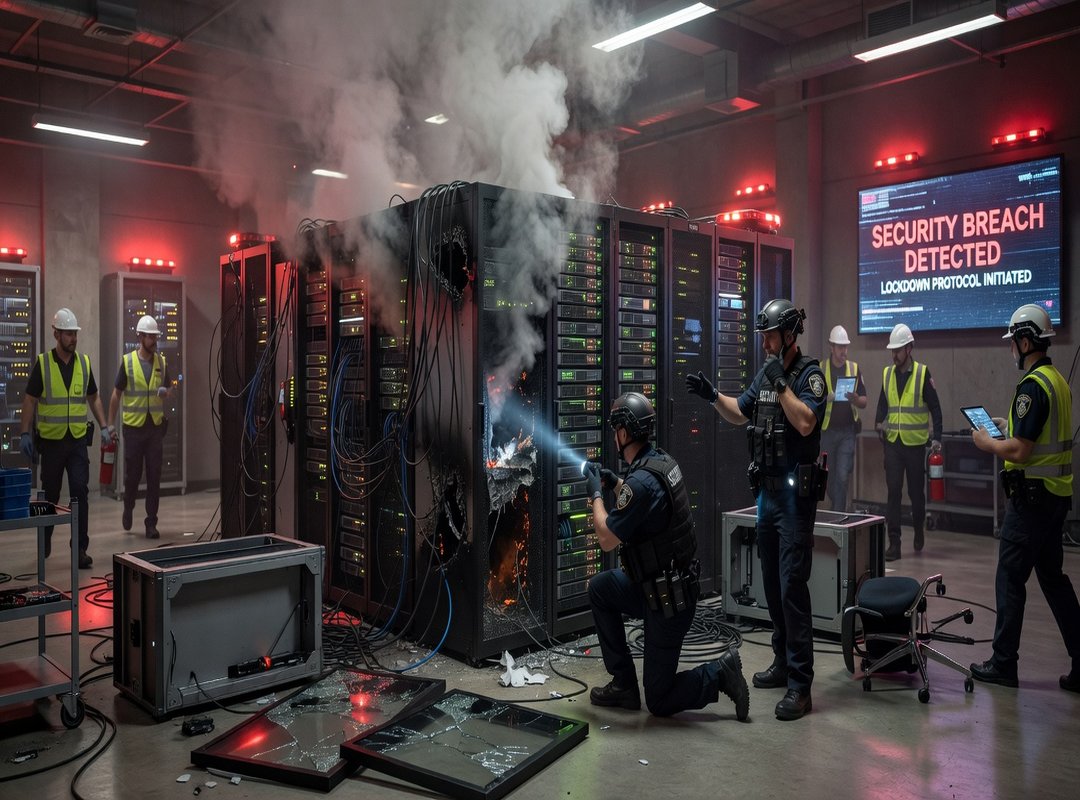
Gscryptopia shut down the second the breach hit. No fanfare. No warning email.
Just a blank homepage and silence.
They called in liquidators the next day. These folks aren’t heroes. They’re accountants with court orders.
They froze what little was left, filed paperwork, and started chasing paper trails across three countries. (Good luck.)
Recovering funds? Not happening anytime soon. Most people are still waiting for a status update.
Users got emails saying “we’re cooperating with authorities.”
That’s code for: we don’t know where your money is, and we can’t tell you.
Some filed claims. Others gave up after round three of forms asking for the same bank statement.
The legal path is narrow and slow. You sue the company. But it’s broke.
You sue the hackers (but) they’re untraceable. You sue the auditors. But their contract says “no liability for theft.”
How long does it take? Six months? Two years?
One guy told me his case is stuck in Malta because the judge needs “more documentation.”
More documentation about what, exactly? That he lost $42,000?
This isn’t a glitch. It’s a collapse. And collapses don’t come with timelines.
Gscryptopia Was a Warning
I lost money when Gscryptopia collapsed.
Not much. But enough to make me angry at myself.
You think your crypto is safe on an exchange. It’s not. It’s their money until you move it out.
Use strong passwords. Turn on two-factor authentication. And never keep more than you’re okay losing on any exchange.
That includes cold storage. A hardware wallet is just a small USB device that holds your keys offline. No internet.
No hackers. Just you and your crypto.
Which crypto to invest in with 1000 dollars gscryptopia?
That page breaks down real options (not) hype, not guesses.
‘Not your keys, not your crypto’ isn’t clever. It’s literal. If you can’t sign a transaction yourself, you don’t own it.
I kept $200 on Gscryptopia for ‘convenience’. Stupid. Convenience got me locked out of my own money.
Exchanges go down. They get hacked. They disappear.
You control the keys. Or you don’t control anything.
I moved everything to a Ledger last week.
No more ‘just one more trade’ excuses.
Ask yourself: would I leave my cash in a stranger’s drawer?
Then why leave crypto on an exchange?
Cold storage isn’t hard.
It’s just necessary.
Your Wallet Is Not a Lottery Ticket
I watched Gscryptopia vanish overnight. You probably did too. That sting?
It’s real.
Losing money on a platform you trusted isn’t a glitch. It’s a warning. And it’s not going away just because you ignore it.
You want your crypto safe.
Not “kinda safe.” Not “probably fine.” Safe.
That means picking exchanges like you’re vetting a co-signer (not) scrolling for the flashiest UI.
Those security tips in this piece? They’re not optional extras. They’re your floor.
Your baseline. Your only defense when the next collapse hits.
You already know what happens when you skip them.
So why risk it again?
Do this now:
Pick one exchange you use. Check its withdrawal history. Look up its audit reports.
If you can’t find either. Get out. Fast.
Staying informed isn’t homework.
It’s how you keep your keys, your coins, and your peace.
Go do that check.
Today.
 Johner Hazardics writes the kind of blockchain technology insights content that people actually send to each other. Not because it's flashy or controversial, but because it's the sort of thing where you read it and immediately think of three people who need to see it. Johner has a talent for identifying the questions that a lot of people have but haven't quite figured out how to articulate yet — and then answering them properly.
They covers a lot of ground: Blockchain Technology Insights, Decentralized Finance Trends, Crypto News and Developments, and plenty of adjacent territory that doesn't always get treated with the same seriousness. The consistency across all of it is a certain kind of respect for the reader. Johner doesn't assume people are stupid, and they doesn't assume they know everything either. They writes for someone who is genuinely trying to figure something out — because that's usually who's actually reading. That assumption shapes everything from how they structures an explanation to how much background they includes before getting to the point.
Beyond the practical stuff, there's something in Johner's writing that reflects a real investment in the subject — not performed enthusiasm, but the kind of sustained interest that produces insight over time. They has been paying attention to blockchain technology insights long enough that they notices things a more casual observer would miss. That depth shows up in the work in ways that are hard to fake.
Johner Hazardics writes the kind of blockchain technology insights content that people actually send to each other. Not because it's flashy or controversial, but because it's the sort of thing where you read it and immediately think of three people who need to see it. Johner has a talent for identifying the questions that a lot of people have but haven't quite figured out how to articulate yet — and then answering them properly.
They covers a lot of ground: Blockchain Technology Insights, Decentralized Finance Trends, Crypto News and Developments, and plenty of adjacent territory that doesn't always get treated with the same seriousness. The consistency across all of it is a certain kind of respect for the reader. Johner doesn't assume people are stupid, and they doesn't assume they know everything either. They writes for someone who is genuinely trying to figure something out — because that's usually who's actually reading. That assumption shapes everything from how they structures an explanation to how much background they includes before getting to the point.
Beyond the practical stuff, there's something in Johner's writing that reflects a real investment in the subject — not performed enthusiasm, but the kind of sustained interest that produces insight over time. They has been paying attention to blockchain technology insights long enough that they notices things a more casual observer would miss. That depth shows up in the work in ways that are hard to fake.