
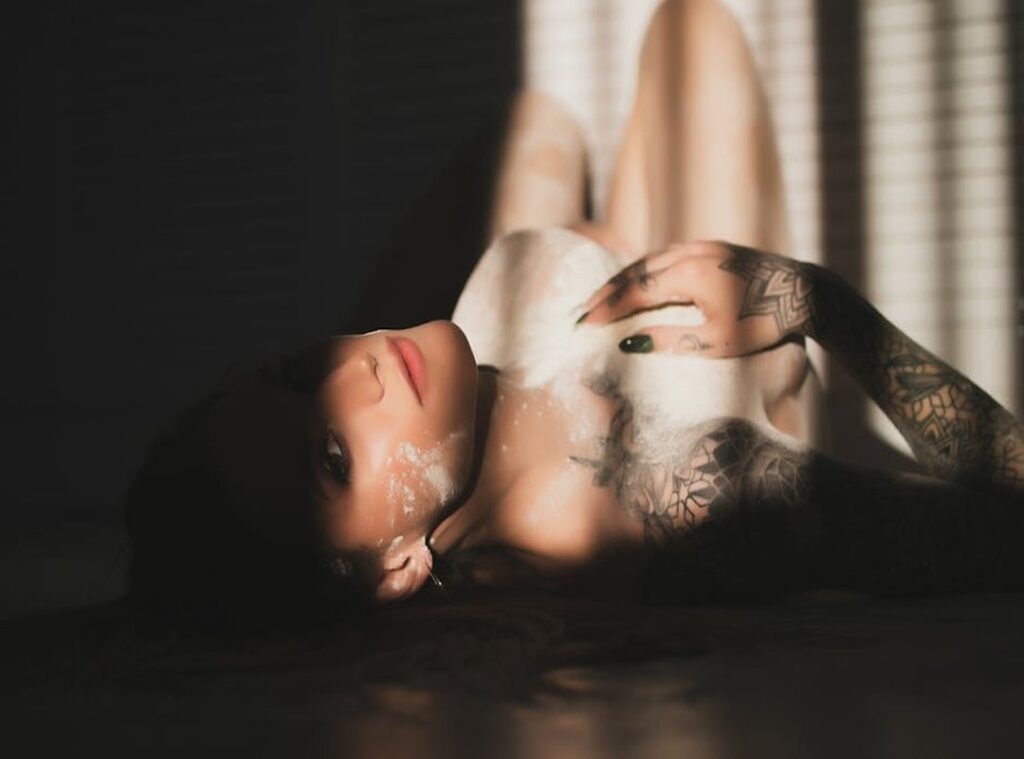
Imagine a photograph with deep shadows, a single source of dramatic light, rich textures, and a timeless, painterly quality. What if a photograph could feel like a 17th-century Dutch Master’s painting? That’s where luxydutch artistic photography comes in.
It’s a modern photographic style that channels the drama and elegance of the Dutch Golden Age. In this article, we’ll explore the historical roots, defining characteristics, and modern appeal of this captivating art form. Why is it gaining traction?
Simple. Art lovers and photographers are drawn to its depth and narrative.
Echoes of Rembrandt: The Historical Soul of the Style
When you look at modern Luxydutch photography, it’s hard not to see the direct lineage to Dutch Golden Age painters like Rembrandt van Rijn and Johannes Vermeer.
The concept of chiaroscuro—the dramatic use of light and shadow—is the foundational technique in both classic paintings and contemporary Luxydutch photography.
- It creates a deep, rich atmosphere.
- It highlights the subject with a striking contrast.
- It draws the viewer into the scene.
Opulent still lifes, intimate portraits, and scenes of quiet domesticity are common subjects that bridge the centuries.
A modern photograph of a flower arrangement can directly mirror the composition and lighting of a 17th-century painting.
The shared emotional goal is to evoke a sense of introspection, moodiness, and the beauty in everyday objects and moments.
Luxydutch nudes, for example, capture the same raw, intimate feel as the masterpieces of the past.
So, when you see a Luxydutch photo, think about how it compares to a Rembrandt or Vermeer.
You’ll notice the same attention to detail, the same play of light and shadow, and the same emotional depth.
It’s a beautiful reminder that some things never change.
The Anatomy of an Image: Key Elements of Luxydutch Photography
Let’s start with the lighting. In luxydutch photography, a single, often soft, directional light source is used to sculpt the subject. This technique creates a dramatic yet gentle effect, highlighting the contours and adding depth.
Moving on to the color palette. Deep, desaturated earth tones, rich jewel tones like crimson and sapphire, and inky blacks dominate. A pop of a single vibrant color can add a striking contrast, making the image stand out even more.
Texture and props are crucial. Rich textures such as velvet, aged wood, peeling fruit, and reflective metals catch the light beautifully. These elements add a tactile quality to the images, making them more engaging and visually interesting.
Composition is key. Simple, yet powerful arrangements, negative space, and leading lines draw the viewer’s eye. This minimalistic approach helps focus attention on the subject, creating a strong visual impact.
The mood and atmosphere are often described as somber, elegant, mysterious, or contemplative. This creates a strong narrative within a single frame. For example, in luxydutch nudes, the use of these elements can tell a story without words, evoking a sense of intimacy and introspection.
In summary, the combination of lighting, color, texture, composition, and mood in luxydutch photography creates a unique and captivating visual experience.
From Golden Age to Digital Age: The Modern Evolution
This isn’t just a historical recreation. It’s a blend of the old and the new, creating something unique.
Luxydutch photography has evolved. It’s not about mimicking the past. It’s about bringing it into the present with a modern twist.
Digital technology plays a huge role. Advanced lighting equipment and post-processing software like Photoshop or Lightroom are game-changers. They help fine-tune the painterly effect, making each photo look almost like a masterpiece from the Golden Age.
Contemporary subjects and objects are often included in these classic frameworks. This creates a compelling juxtaposition between old and new. You might see a modern cityscape or a smartphone in a setting that looks straight out of the 17th century.
Some artists in this genre even introduce subtle surrealist or conceptual elements. These would never be found in the original paintings. It adds a layer of intrigue and depth that makes the work stand out.
The inclusion of luxydutch nudes is another modern element. It’s not just about the aesthetic; it’s about pushing boundaries and exploring new themes.
Accessibility has also shifted. More photographers can now experiment with a style that was once the exclusive domain of master painters with dedicated studios.
This democratization of art is exciting. It means more creativity and more diverse perspectives. And that’s what keeps the genre fresh and relevant.
Pro tip: If you’re interested in this style, start by experimenting with different lighting setups and post-processing techniques. You’ll be surprised by what you can create.
Understanding the role of digital tools in modern photography can also give you insights into other areas. For instance, how technology is changing the way we approach privacy in the digital age. (Check out how privacy technologies are evolving.)
Bringing the Aesthetic Home: Tips for Artists and Collectors
If you’re an aspiring photographer, start with a single window for natural light. Use a dark background and simple objects like fruit or flowers. It’s all about capturing the essence with minimal distractions.
For art collectors and interior designers, think about where to display these pieces. Place them in spaces with controlled lighting where they can be a focal point. Just like a classic painting.
Luxydutch nudes have a unique, moody quality. Pair them with decor that complements their rich textures and color palette. Dark woods, leather, or velvet furnishings work well.
A single, powerful Luxe Dutch piece can define the atmosphere of an entire room. Choose wisely and let it make a statement.
Why This Timeless Style Captivates the Modern Eye
luxydutch nudes stand out in today’s fast-paced, visually oversaturated world. They offer a quiet, profound alternative. This style bridges classical art history and contemporary digital media.
It feels both familiar and fresh.
It’s about more than just aesthetics. It’s about storytelling and emotion. Finding beauty in the shadows is at its core.
This art form invites viewers to slow down. To look closer. And to appreciate the enduring power of light and shadow.
 Johner Hazardics writes the kind of blockchain technology insights content that people actually send to each other. Not because it's flashy or controversial, but because it's the sort of thing where you read it and immediately think of three people who need to see it. Johner has a talent for identifying the questions that a lot of people have but haven't quite figured out how to articulate yet — and then answering them properly.
They covers a lot of ground: Blockchain Technology Insights, Decentralized Finance Trends, Crypto News and Developments, and plenty of adjacent territory that doesn't always get treated with the same seriousness. The consistency across all of it is a certain kind of respect for the reader. Johner doesn't assume people are stupid, and they doesn't assume they know everything either. They writes for someone who is genuinely trying to figure something out — because that's usually who's actually reading. That assumption shapes everything from how they structures an explanation to how much background they includes before getting to the point.
Beyond the practical stuff, there's something in Johner's writing that reflects a real investment in the subject — not performed enthusiasm, but the kind of sustained interest that produces insight over time. They has been paying attention to blockchain technology insights long enough that they notices things a more casual observer would miss. That depth shows up in the work in ways that are hard to fake.
Johner Hazardics writes the kind of blockchain technology insights content that people actually send to each other. Not because it's flashy or controversial, but because it's the sort of thing where you read it and immediately think of three people who need to see it. Johner has a talent for identifying the questions that a lot of people have but haven't quite figured out how to articulate yet — and then answering them properly.
They covers a lot of ground: Blockchain Technology Insights, Decentralized Finance Trends, Crypto News and Developments, and plenty of adjacent territory that doesn't always get treated with the same seriousness. The consistency across all of it is a certain kind of respect for the reader. Johner doesn't assume people are stupid, and they doesn't assume they know everything either. They writes for someone who is genuinely trying to figure something out — because that's usually who's actually reading. That assumption shapes everything from how they structures an explanation to how much background they includes before getting to the point.
Beyond the practical stuff, there's something in Johner's writing that reflects a real investment in the subject — not performed enthusiasm, but the kind of sustained interest that produces insight over time. They has been paying attention to blockchain technology insights long enough that they notices things a more casual observer would miss. That depth shows up in the work in ways that are hard to fake.