Converting 700 Malaysian Ringgit to Indonesian Rupiah can be a bit of a head-scratcher. I get it, dealing with different currencies is confusing, especially when you’re in a hurry. But don’t worry, I’ve got you covered.
We’ll break it down step by step. And trust me, by the end, you’ll know exactly how much 700 ringgit berapa rupiah.
I’m all about keeping things simple and straightforward. So, let’s dive right in.
Understanding Currencies: Malaysian Ringgit and Indonesian Rupiah
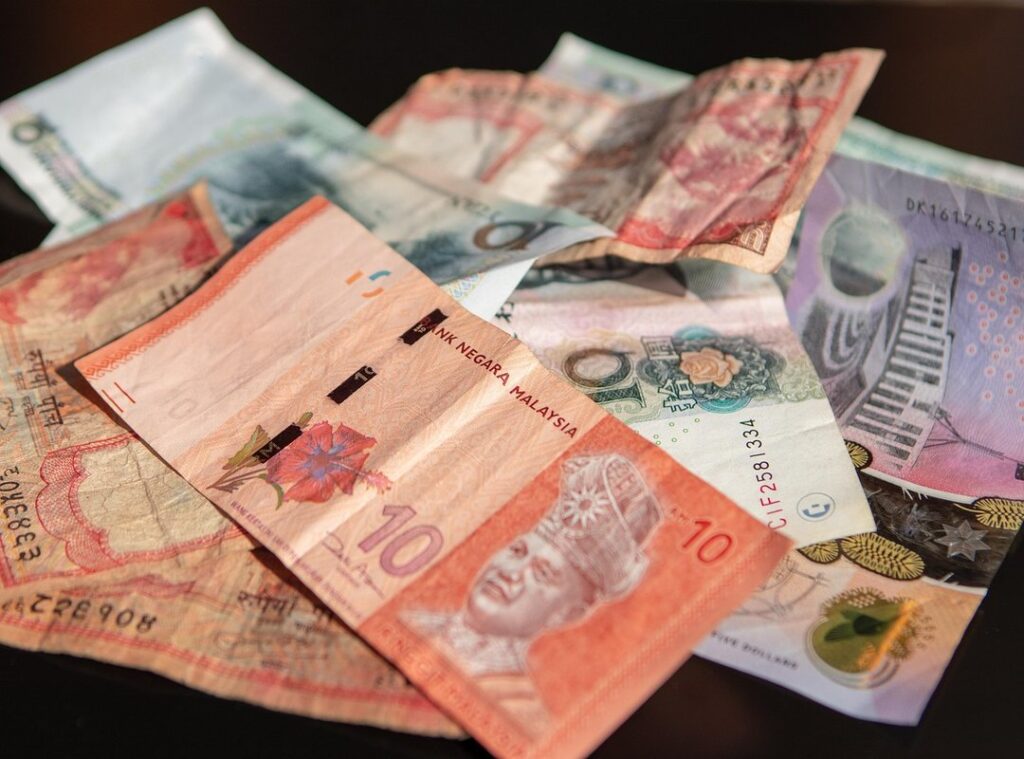
Malaysian Ringgit (MYR): The Malaysian Ringgit is the official currency of Malaysia. It’s symbolized by RM, and you’ll see it used in everyday transactions, from buying groceries to paying for services.
Indonesian Rupiah (IDR): The Indonesian Rupiah is the official currency of Indonesia. Its symbol is Rp, and it’s widely used in daily transactions across the country, from street food to high-end shopping.
- Know the symbols: Familiarize yourself with RM for the Malaysian Ringgit and Rp for the Indonesian Rupiah.
- Check the exchange rate: Before traveling or doing business, always check the current exchange rate. For example, if you’re wondering 700 ringgit berapa rupiah, make sure to use a reliable currency converter.
Importance of Conversion
Converting between these currencies is crucial for travelers and businesses. It helps you budget effectively and avoid overpaying.
For travelers, knowing the conversion rates can help you plan your expenses better. You won’t be caught off guard by unexpected costs.
Businesses, on the other hand, need to stay updated to manage their finances and pricing strategies. This ensures they remain competitive and profitable.
Always use reputable currency converters or consult with local banks for the most accurate and up-to-date rates.
Current Exchange Rate: 700 MYR to IDR
Finding the current exchange rate can feel like a wild goose chase. But don’t worry, I’ve got you covered.
First, check a reliable financial news site or use a trusted currency converter. These sites update rates in real-time, so you won’t be left guessing.
Now, let’s do some math, and don’t panic; it’s simple. If the current rate is, say, 3,200 IDR for 1 MYR, you’d multiply 700 by 3,200.
That gives you 2,240,000 IDR, and easy, right?
Online tools and apps are your best friends here. XE and OANDA are great options, and they’re user-friendly and super accurate.
Just type in “700 ringgit berapa rupiah” and voilà!
Remember, exchange rates can change quickly. So, always check the latest rate before making any transactions. Better safe than sorry!
How to Convert 700 MYR to IDR: Step-by-Step Guide

Converting 700 MYR to IDR is like following a simple recipe. You just need the right ingredients and steps.
Step 1: Obtain the Current Exchange Rate
First, you need to find the most recent exchange rate. Think of it as checking the weather before you go out. You wouldn’t want to get caught in the rain without an umbrella, right?
Check financial news sites or your bank’s website for the latest rates.
Step 2: Perform the Calculation
Now, take that exchange rate and multiply it by 700 MYR. It’s like mixing the ingredients in a bowl. If the rate is, say, 3,500 IDR per 1 MYR, then:
700 MYR * 3,500 IDR = 2,450,000 IDR
Step 3: Verify the Result
Double-check your math. It’s like tasting the soup before you serve it. Make sure everything adds up.
A quick way is to use a calculator or do the math again.
Step 4: Use Online Converters
If you’re not a fan of manual calculations, online converters are your best friend. They’re like having a sous chef in the kitchen. Just type in “700 ringgit berapa rupiah” and let the tool do the work.
It’s fast and usually accurate.
Pro Tip: Always use reputable sources for your exchange rates. The last thing you want is to base your plans on outdated or incorrect information. read more
Factors Influencing the Exchange Rate
Economic indicators play a huge role in how exchange rates move. When a country’s economy is strong, its currency tends to strengthen. Inflation and interest rates are key here.
For example, if a country has higher interest rates, it can attract more foreign investment, which boosts its currency.
- Economic Performance: A robust economy often means a stronger currency.
- Inflation Rates: High inflation can devalue a currency.
- Interest Rates: Higher interest rates can attract more foreign capital.
Political factors also matter. A stable government and clear policies can make a currency more attractive. On the flip side, political instability or uncertain policies can lead to a weaker currency.
Investors prefer stability, and they’ll move their money to safer havens if they sense trouble.
Market sentiment is another big player. How investors feel about a country’s economic and political situation can drive the value of its currency. If there’s a lot of positive buzz, the currency might rise.
Conversely, negative sentiment can cause it to fall.
Let’s look at a real-world example. In 2021, Malaysia’s ringgit saw fluctuations due to changes in market sentiment and economic data. If you were converting 700 ringgit berapa rupiah, you’d notice these shifts affecting the amount you get.
This is a clear sign of how economic and market factors can impact everyday transactions.
Practical Examples and Scenarios
Let’s dive into some real-world examples. It’ll help you see how to use the conversion in your daily life.
First up, travel, and imagine you’re planning a trip to Indonesia. You’ve got 700 ringgit berapa rupiah to spend.
Knowing the conversion rate is key. It helps you figure out how much local currency you’ll have for food, lodging, and fun activities. This way, you can plan your budget without any surprises.
Now, let’s talk business. If you’re a company dealing with Indonesian partners, understanding the conversion is crucial. It helps in setting prices, negotiating deals, and managing expenses.
For instance, if you need to pay a supplier in rupiah, knowing the exact amount in ringgit ensures you don’t overpay or under-budget.
In both cases, the key is to stay informed. Keep an eye on the exchange rates and adjust your plans accordingly. Simple, right?
Frequently Asked Questions (FAQs)
Q1: How often do exchange rates change?
Exchange rates can change multiple times a day. It depends on global market conditions and economic news.
Q2: Can I convert MYR to IDR at any bank?
Most banks in the Bronx, New York, offer currency conversion services. But it’s always good to check with your local branch first.
Some smaller banks might have limited options.
Q3: Are there any fees for converting currencies?
Yes, most banks charge a fee for currency conversion. These fees can vary, so it’s smart to shop around and find the best deal.
Q4: What is the best time to convert MYR to IDR?
The best time to convert 700 ringgit berapa rupiah or any other amount is when the exchange rate is favorable. Keep an eye on financial news and consider setting up alerts for better rates.
Mastering Currency Conversion
Understanding and converting between different currencies, such as the Malaysian Ringgit (MYR) and Indonesian Rupiah (IDR), is crucial for travelers and businesses. It ensures you get the best value for your money.
700 ringgit berapa rupiah is a common query. To convert 700 MYR to IDR, first, check the current exchange rate. Then, multiply 700 by the rate.
Use reliable online converters or financial apps for accuracy.
Always stay informed about the latest exchange rates. They fluctuate frequently. Utilize the resources mentioned for precise and up-to-date conversions.
 Ask Walteronie Bassetton how they got into decentralized finance trends and you'll probably get a longer answer than you expected. The short version: Walteronie started doing it, got genuinely hooked, and at some point realized they had accumulated enough hard-won knowledge that it would be a waste not to share it. So they started writing.
What makes Walteronie worth reading is that they skips the obvious stuff. Nobody needs another surface-level take on Decentralized Finance Trends, Investment Strategies for Cryptocurrencies, Expert Opinions. What readers actually want is the nuance — the part that only becomes clear after you've made a few mistakes and figured out why. That's the territory Walteronie operates in. The writing is direct, occasionally blunt, and always built around what's actually true rather than what sounds good in an article. They has little patience for filler, which means they's pieces tend to be denser with real information than the average post on the same subject.
Walteronie doesn't write to impress anyone. They writes because they has things to say that they genuinely thinks people should hear. That motivation — basic as it sounds — produces something noticeably different from content written for clicks or word count. Readers pick up on it. The comments on Walteronie's work tend to reflect that.
Ask Walteronie Bassetton how they got into decentralized finance trends and you'll probably get a longer answer than you expected. The short version: Walteronie started doing it, got genuinely hooked, and at some point realized they had accumulated enough hard-won knowledge that it would be a waste not to share it. So they started writing.
What makes Walteronie worth reading is that they skips the obvious stuff. Nobody needs another surface-level take on Decentralized Finance Trends, Investment Strategies for Cryptocurrencies, Expert Opinions. What readers actually want is the nuance — the part that only becomes clear after you've made a few mistakes and figured out why. That's the territory Walteronie operates in. The writing is direct, occasionally blunt, and always built around what's actually true rather than what sounds good in an article. They has little patience for filler, which means they's pieces tend to be denser with real information than the average post on the same subject.
Walteronie doesn't write to impress anyone. They writes because they has things to say that they genuinely thinks people should hear. That motivation — basic as it sounds — produces something noticeably different from content written for clicks or word count. Readers pick up on it. The comments on Walteronie's work tend to reflect that.